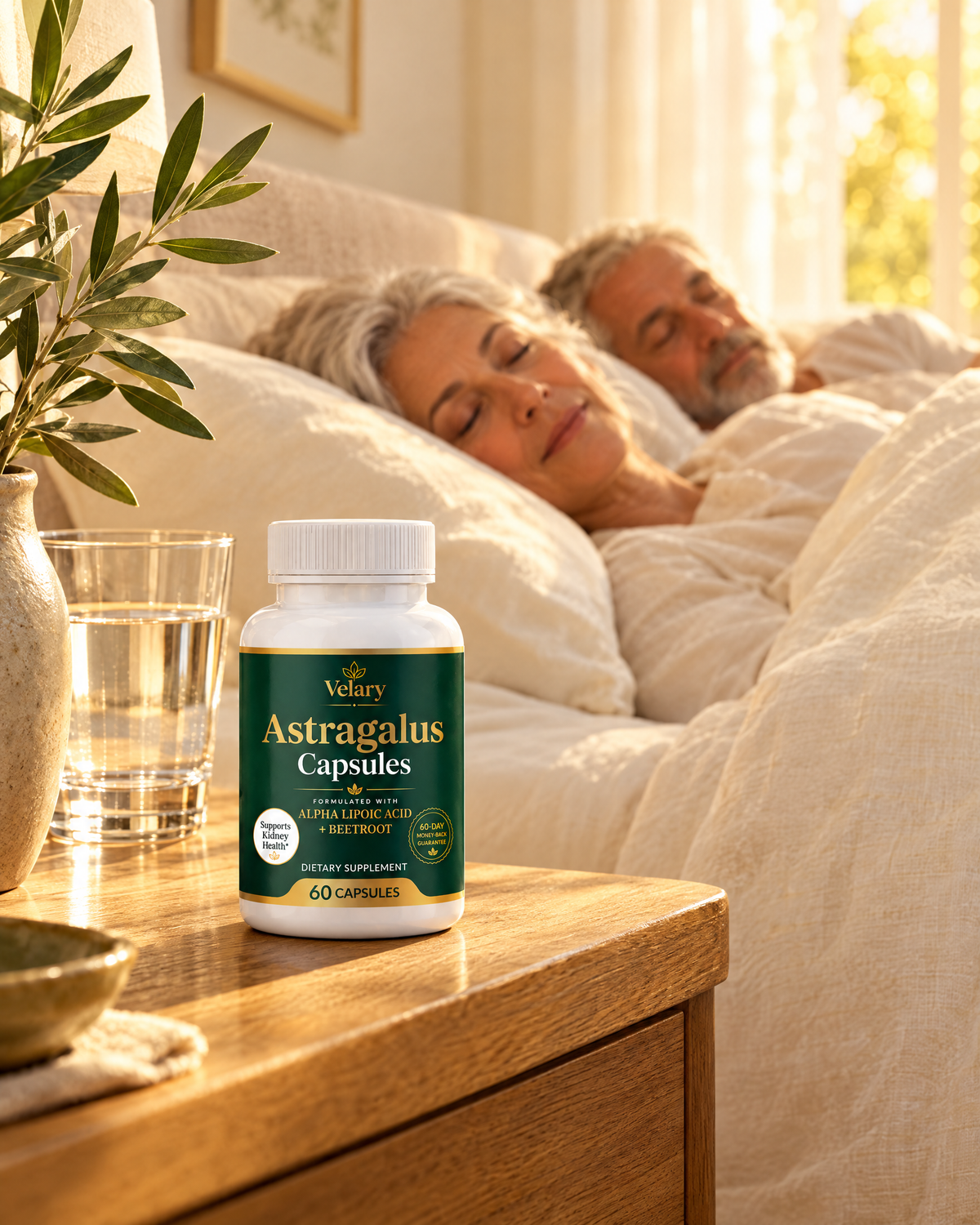
How I Got My Nights Back (And Why It Was Never My Bladder)
By Kevin · Shared with the Velary team. Individual results vary.

For three months, I did not sleep through a single night. Not one. I would fall asleep, and an hour or two later my body would wake me up. I had to walk down the hallway to the bathroom. Then I would return to bed, only to repeat the cycle. By the time my alarm went off, I felt like I had already worked a double shift at a factory.
I am writing this because I wish someone had told me earlier what I am about to tell you.
1 AM. Then 2:40. Then 4:15.
That was my nightly routine. I would lie there afterwards, staring at the ceiling, knowing I would be back in an hour. My wife stopped pretending to sleep. She could count every creak of the bathroom door, three or four times a night.
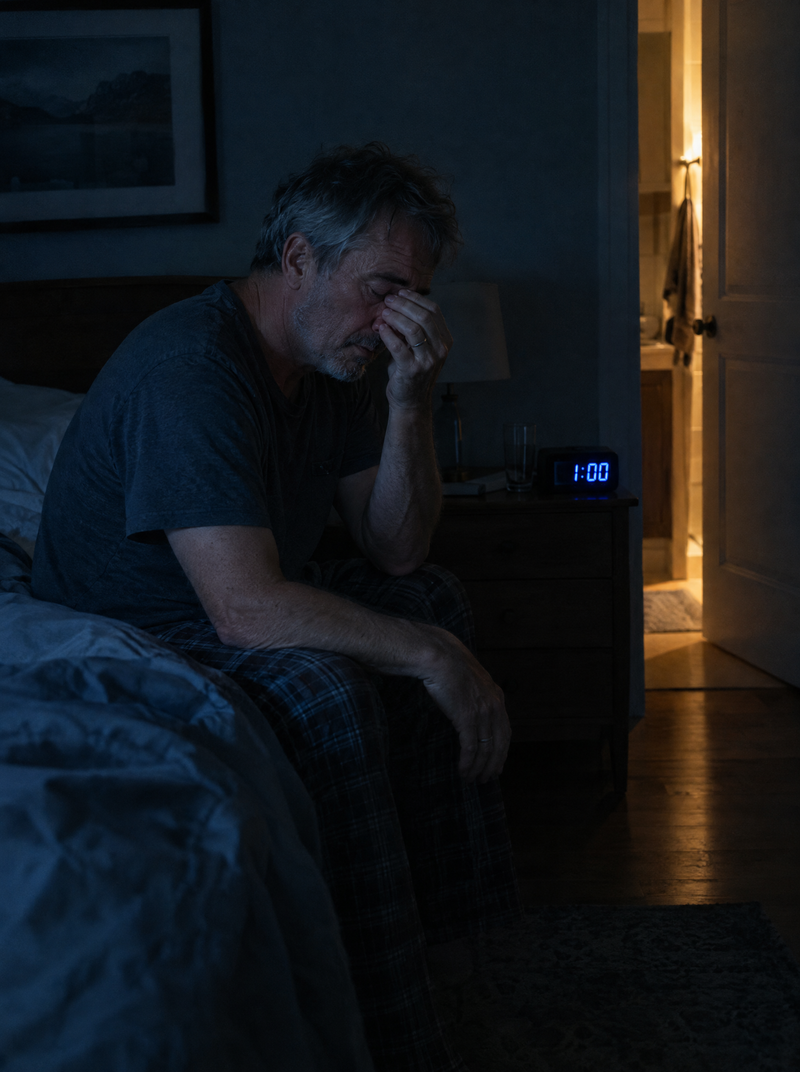
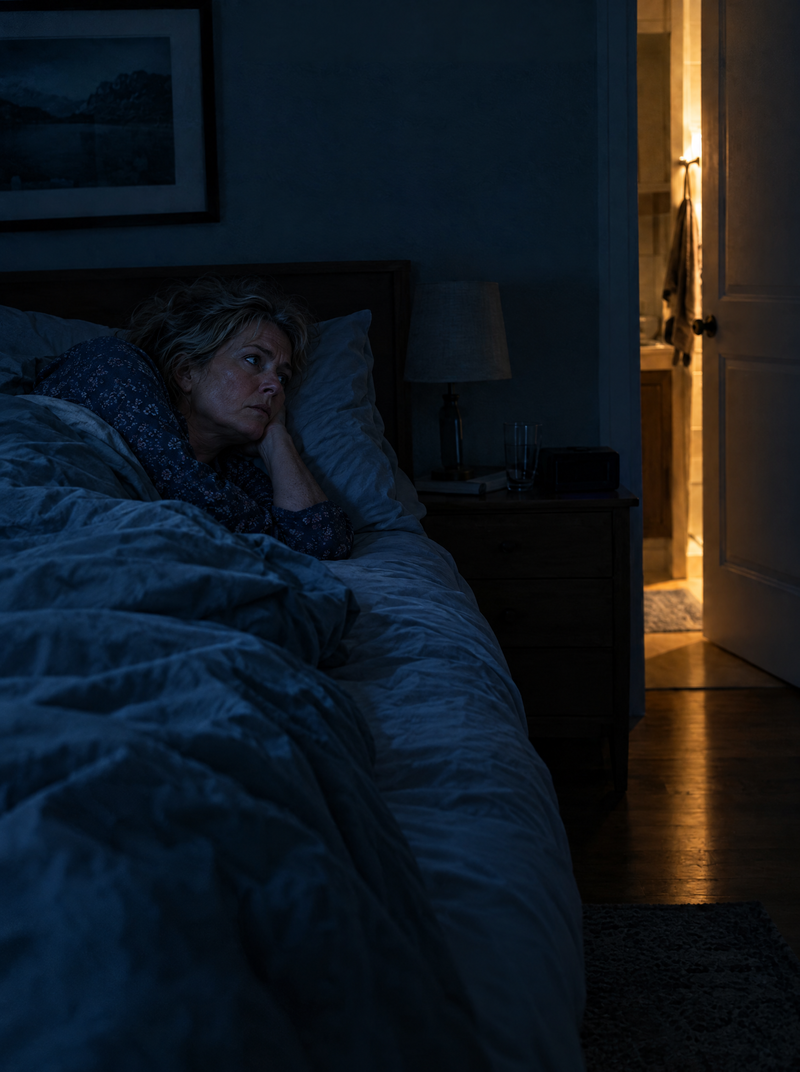
Illustrations
The mornings were worse. I felt exhausted before breakfast. I snapped at my family over small things, and I hated that.
I was also thirsty. Always, always thirsty. I drank glass after glass of water, and it never felt like enough. I carried a water bottle everywhere: in my car, at my desk, and on the table where I work. Wherever I went, that bottle went too.
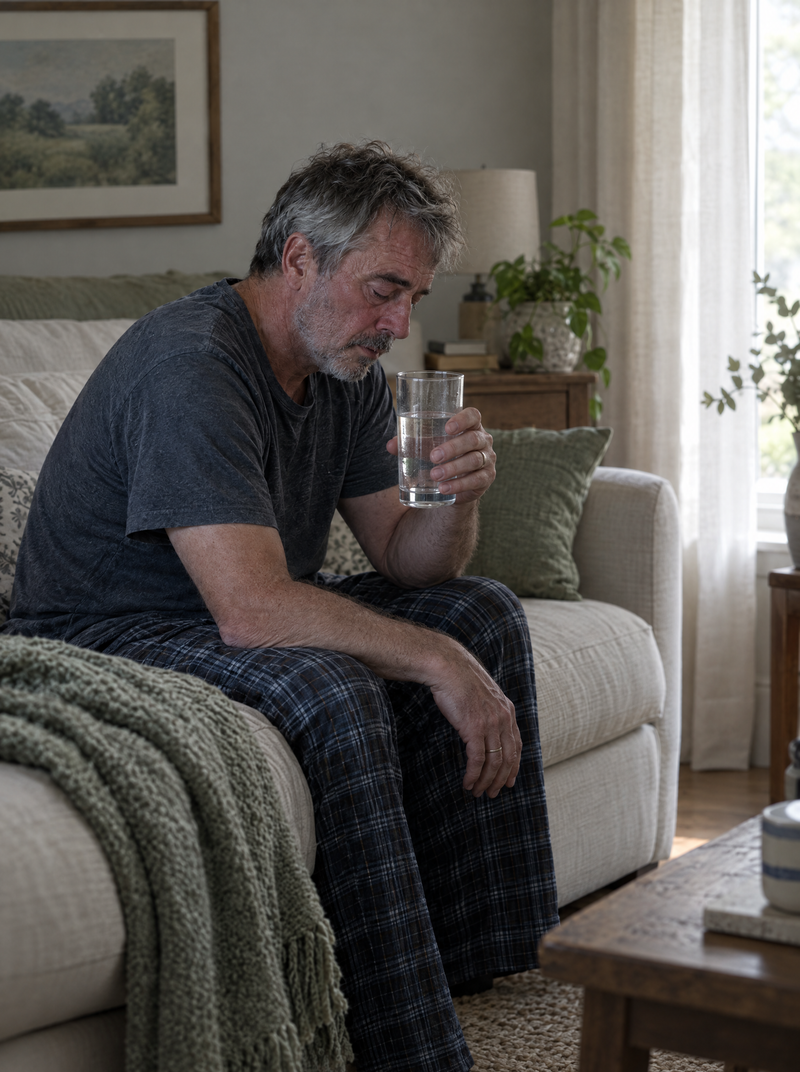
“It’s just your age”
The first thing I did was blame my age. Everyone said the same thing. “That’s what happens, Kevin. Your bladder gets older.” So I accepted it. I figured this was just the next chapter of getting old, and I had to live with it.
But something about that never sat right with me. I had been fine a year earlier. Nothing about my age had changed overnight.
So I blamed my bladder
I started cutting back on water in the evening. Then I stopped drinking earlier in the day. I told myself, “Less in, less out.” It sounded logical.
It did nothing. It only made me wake up thirsty on top of everything else. I would lie there with a dry mouth, still needing to get up.
I even stopped my evening tea. That was my favourite part of the day, but it did not help either.
Everything else I tried
I went to the pharmacy and tried many products and supplements. None of them worked. I followed every change my doctor suggested. I propped my pillows up. I changed my bedtime. I built a strict sleep routine, the kind you read about online, with the phone away and the lights low.
Nothing made a real difference. I felt incredibly frustrated and quietly worried. I started wondering if this was just my life now.
Blame the bladder, or look upstream?
What I blamed
- ✕My age
- ✕My bladder
- ✕Drinking water in the evening
- ✕Pharmacy products and supplements
- ✕My sleep routine
None of it made a real difference.
What my doctor pointed to
- ✓The thirst came first, months before the night trips
- ✓The thirst was linked to high blood sugar
- ✓The bladder was only the messenger
Look at the source, not the symptom.
The part I had been ignoring
It was my doctor who finally connected the dots. He pointed out something I had skipped over the whole time.
The thirst had started months before the night trips.
I had never put the two together. They seemed like separate annoyances. One was a dry mouth, the other was a bad night. But my doctor explained that the thirst was linked to high blood sugar. This changed how I thought about the whole situation.
Here is the truth. When there is too much sugar in your blood, your kidneys cannot hold on to all of it. The extra sugar spills into your urine. Sugar does not travel alone; it pulls water out of your cells and into your urine. More water leaving your body means more thirst. More thirst means more drinking. More drinking means more trips to the bathroom. It is like mopping the floor while the tap is still running—you must stop the water at the source to fix the problem.
From your plate to the 2 AM bathroom trip
- 1

You eat, and food breaks down into glucose
Rice, bread, fruit and other carbohydrates are broken down into glucose, the sugar your body uses for energy. It enters your bloodstream.
- 2

The pancreas releases insulin
Insulin is a hormone. It travels in the blood and tells your cells to take glucose in and use it for energy.
- 3

Cells stop listening to insulin
When cells respond poorly to insulin (called insulin resistance), glucose cannot get in properly and stays in the blood.
- 4
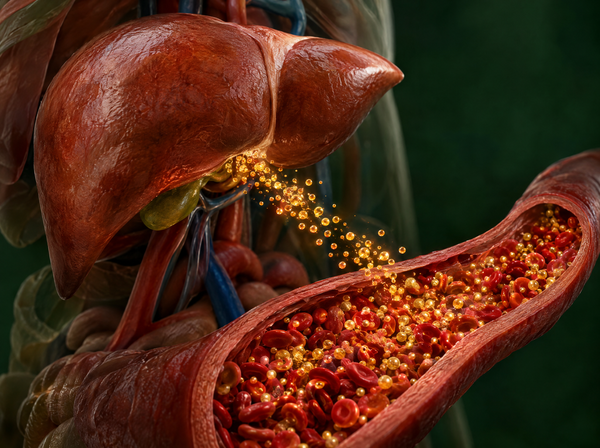
The liver releases even more glucose
Your cells look starved, so the liver reads the situation wrongly and makes and releases extra glucose. Blood glucose climbs higher.
- 5
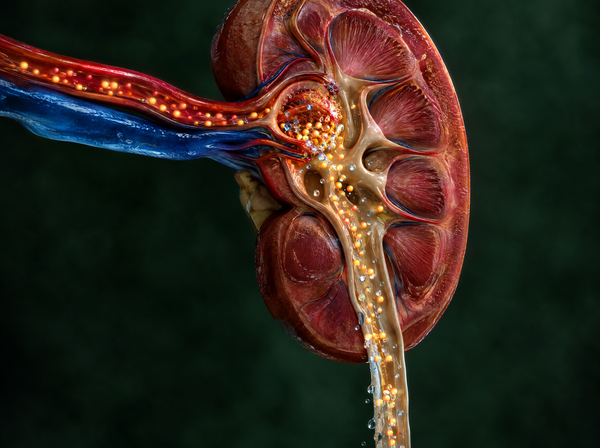
The kidneys cannot keep up
They filter glucose all day, but there is a limit. Extra glucose spills into the urine and pulls water out with it.
- 6

Water loss means thirst, so you drink more
Losing water makes you dehydrated and very thirsty. You drink more, which sends even more through the kidneys.
- 7

More bathroom trips, day and night
That includes 1 AM, 2:40 and 4:15.
↻ And it repeats, round the clock.
The bladder is only the messenger.
What my doctor mentioned
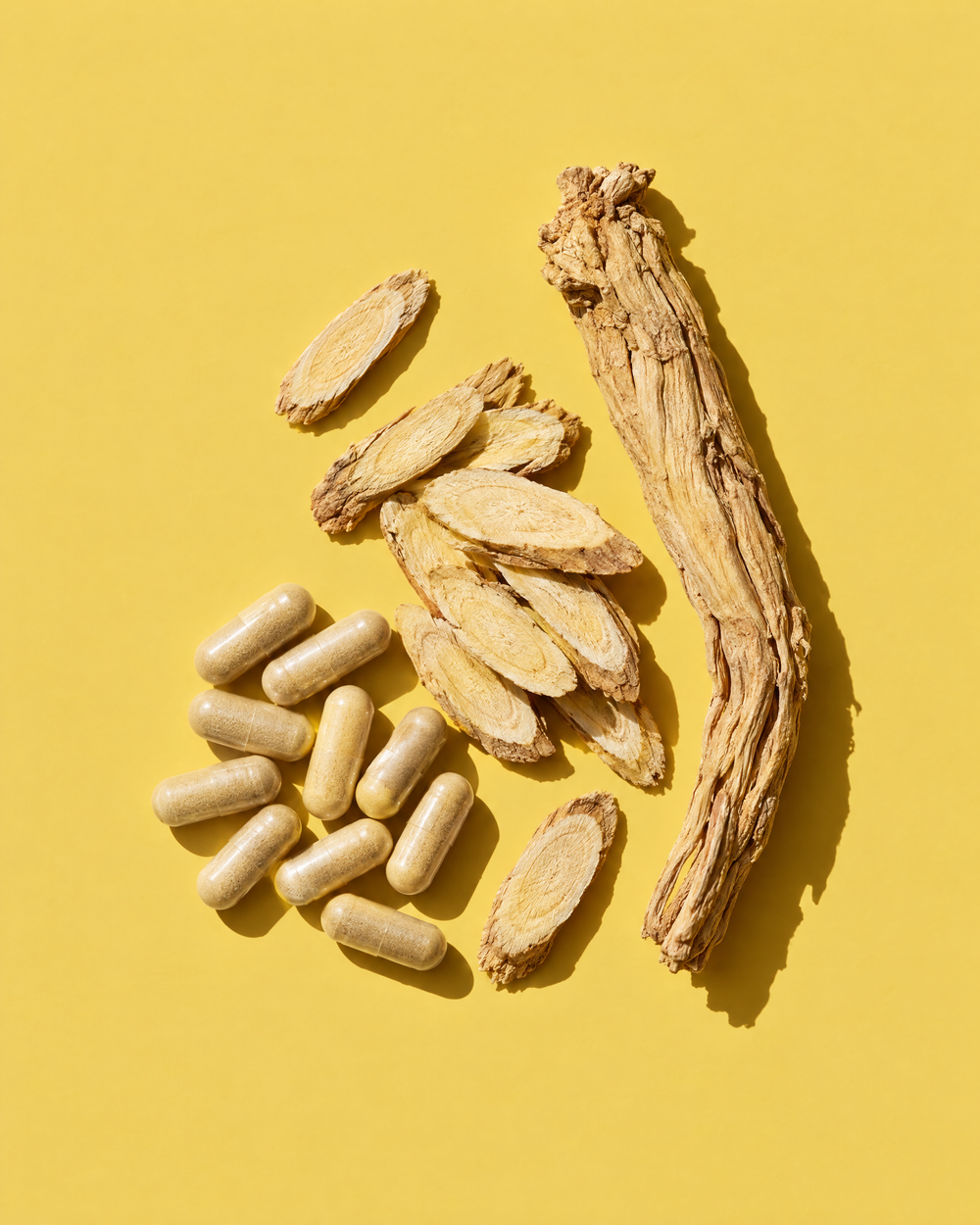
My doctor mentioned astragalus. It is a traditional root that people have used for centuries in herbal practice to support overall wellness. He told me it was safe for me to take alongside my other medication.
I started Velary Astragalus right away.

What researchers have looked at
Three areas where astragalus is being studied. Much of this research is early-stage.

Cells and insulin
Studied for supporting how cells respond to insulin, so glucose can move in.

Glucose uptake without extra insulin
Studied for supporting glucose uptake into cells through AMPK, a second pathway that does not depend on insulin.
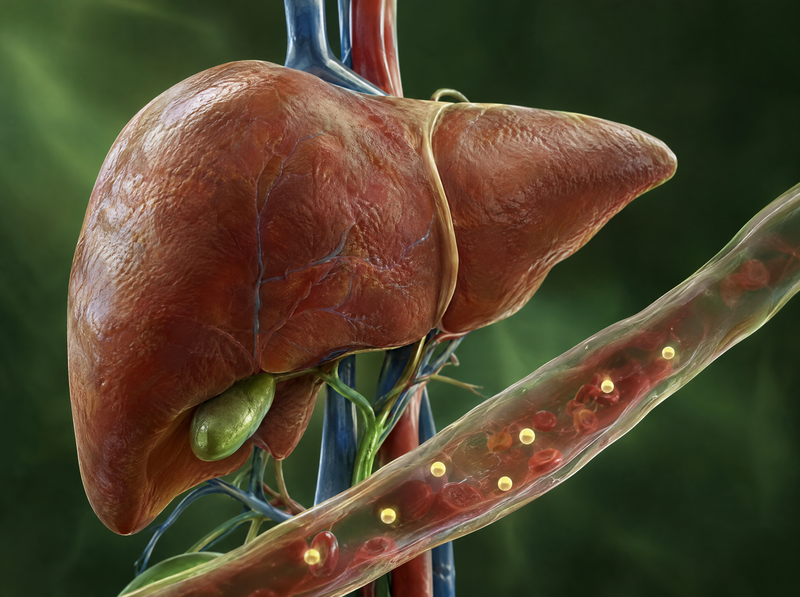
Less glucose from the liver
Studied for supporting the liver in releasing less glucose into the blood.

More glucose moving into cells. Less piling up in the blood.
What I noticed
I will be honest: for the first couple of weeks, I did not notice anything.
Then, around the third or fourth week, it was a complete game changer. The constant thirst disappeared. My water intake felt balanced, which had not happened in months. I felt energetic in a way I had forgotten.
And the nights got better. My wife and I both sleep peacefully now.
Kevin’s experience, week by week
Weeks 1–2
I did not notice anything.
Weeks 3–4
- The constant thirst disappeared
- My water intake felt balanced
- I felt energetic again
- The nights got better
“A complete game changer.”
One customer’s experience. Individual results vary.